|
The Limitations and Wonders of Steel Wire Ropes
2026-01-30
I. The Limitations of Steel Wire Ropes (Using the "Red Line", exceeding the limit means failure / danger)
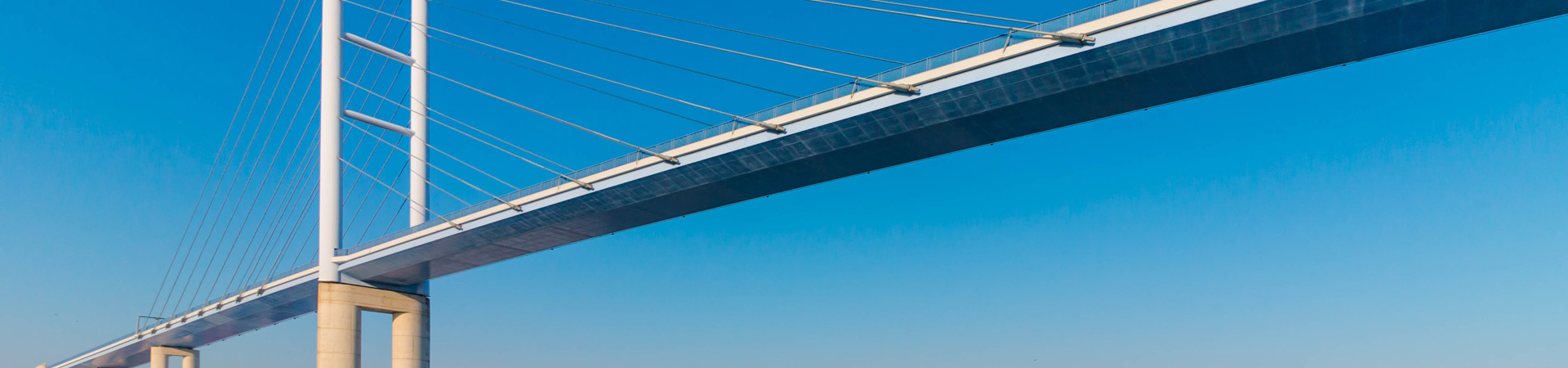
The limit of steel wire ropes is centered around three dimensions: mechanical performance, environmental tolerance, and structural fatigue. The core of this limit is "it cannot break through the inherent properties of the material nor can it withstand the cumulative wear over time". This is mainly reflected in the following points: Tensile limit: Minimum breaking tension This is the most basic limit, determined by the material, diameter, and twisting structure (such as 304 stainless steel 6×19 + FC structure, with a 20mm diameter, the minimum breaking tension is 217.25kN). It is also the basis for calculating the allowable load, and exceeding this tension will cause the wire rope to break directly. In actual use, safety factors must be used to avoid it (lifting ≥ 5, high-altitude ≥ 6), and it is strictly prohibited to approach this limit. Bending limit: Minimum bending radius Although the steel wire rope is flexible, it cannot be bent without limit - a single wire has rigidity, and excessive bending will cause plastic deformation, internal broken wires, and even the strand body to disintegrate. The industry has stipulated the minimum bending radius for different specifications of steel wire ropes (usually 15-20 times the diameter), and the diameter of the pulley and drum must be greater than this value, otherwise the steel wire rope will be damaged rapidly. Fatigue limit: Lifespan boundary for repeated stress Under long-term "stretching - bending - twisting" repeated stress, the internal steel wires of the steel wire rope will develop micro cracks, gradually developing into broken wires and broken strands, which is an irreversible fatigue loss. Even if the breaking tension has not been reached, when the number of broken wires and wear reaches the standard (such as more than 10% of the wire rope in one pitch), it must be scrapped, which is its "hidden limit" and the most easily overlooked safety hazard. II. The Multifaceted Applications of Steel Wire Ropes (Relying on the flexible application of their characteristics to cover multiple industries / scenarios) The multifaceted applications of steel wire ropes are essentially the utilization of their core characteristics of high strength, high flexibility, controllable bending, combinable, and resistance to harsh working conditions. They have broken through the single-purpose of "simple traction / binding" and are used in industries, daily life, engineering, and even niche scenarios. The core can be divided into basic classic applications and advanced creative applications, covering multiple fields: (1) Industry / Engineering: Core essential applications, supporting heavy-duty operations This is the most core application scenario of steel wire ropes, relying on their tensile + durable characteristics to solve the force problems of "heavy load, long distance, harsh environment". It is the "skeleton" of industrial production: Lifting and material transportation: Combined with cranes, tower cranes, hoists, lifting beams, it can lift building components, large equipment, and port containers, adapt to high-altitude, outdoor, and heavy-load conditions, and can be wound on the drum to achieve long-distance lifting and translation, being the only choice for heavy lifting. Construction machinery and mining operations: Traction of excavators and loaders' buckets, traction of mine hoists' cages, support traction in mines, steel wire ropes can withstand the dust and stone abrasion of mines, adapt to frequent bending and stretching, and are more durable than other connection components. Bridge / construction engineering: Tensioning and reinforcement: The diagonal cables of large-span suspension bridges (the core load-bearing components) are specially made high-strength steel wire rope bundles, using their tensile limit to support the large span of the bridge; the support of foundation pits and slopes in construction also uses steel wire ropes combined with anchor rods for tensioning reinforcement, balancing tension and lateral pressure resistance. (2) Daily life / transportation: Daily practical applications, suitable for various scenarios Relying on their flexibility + adjustability, they enter daily production and life to solve "fixation, traction, and lifting" practical problems, being flexible and durable: Core traction of elevators: The traction rope of the elevator is a specially made thin-diameter high-strength steel wire rope, multiple strands are used in parallel, utilizing its controllable bending characteristic, combined with the traction machine to achieve the smooth lifting and lowering of the elevator car, with a safety factor of over 12, being the "life rope" of the elevator. Civilian traction and lifting: The clothes drying racks in residential areas, the elevators in attics, and the simple cranes in warehouses all use steel wire ropes for traction. They are lightweight and durable, and can achieve "effort-saving lifting" through the pulley system; Outdoor sunshades and awnings also use steel wire ropes for fixation traction to withstand wind and rain impacts. Transportation and security: The anti-collision barriers on highways and the protective nets on bridges are made of steel wire ropes. During collisions, the steel wire ropes can stretch and deform to absorb the impact force, which is more gentle than rigid barriers, reducing vehicle damage; The safety ropes for scenic spots and high-altitude walkways also use stainless steel wire ropes, balancing safety and aesthetics. . |